Top Tips for Preventing Head Lice Infestations at Home

Head lice infestations can be a frustrating and uncomfortable experience for both children and parents. These tiny parasites thrive in close-knit environments, making schools and daycare centers prime locations for outbreaks. However, with the right preventive measures, you can significantly reduce the risk of head lice entering your home. In this blog post, we will explore practical tips and strategies to help you keep your family lice-free.
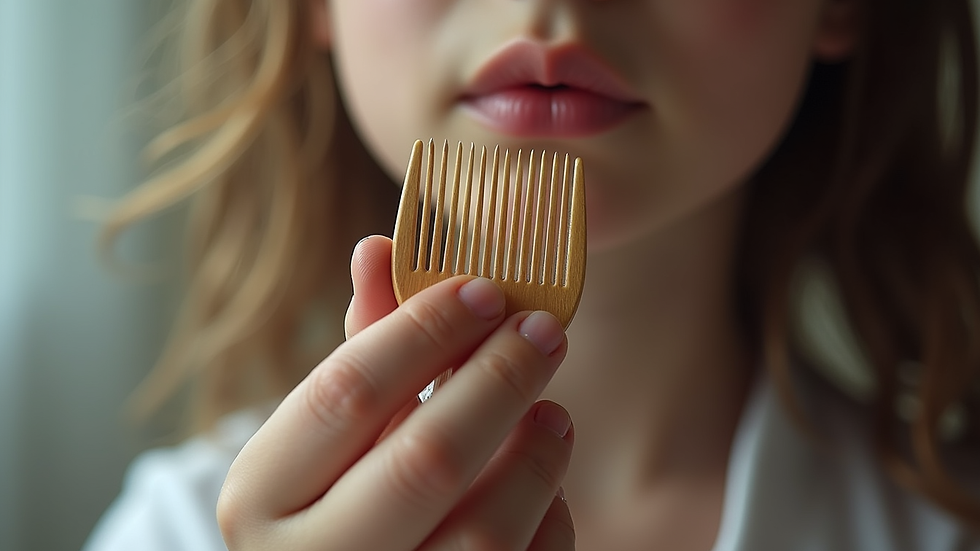
Understanding Head Lice
Before diving into prevention tips, it's essential to understand what head lice are and how they spread. Head lice are small, wingless insects that live on the scalp and feed on human blood. They are most commonly found in children aged 3 to 11 years but can affect anyone.
How Do Head Lice Spread?
Head lice spread primarily through direct head-to-head contact. This means that children are at a higher risk when they play closely together. Other ways lice can spread include:
Sharing personal items such as hats, hairbrushes, or headphones.
Using bedding or towels that have been in contact with an infested person.
Close contact during activities like sleepovers or sports.
Understanding these transmission methods is crucial for effective prevention.
Tips for Preventing Head Lice Infestations
1. Educate Your Family
The first step in preventing head lice is education. Teach your children about head lice and how they spread. Encourage them to avoid sharing personal items and to keep their heads away from others during playtime.
2. Regular Hair Checks
Make it a habit to check your children's hair regularly, especially after they have been in close contact with other kids. Look for:
Live lice: These are small, tan or grayish insects.
Nits: These are tiny, oval-shaped eggs that are usually found close to the scalp.
If you find any signs of lice, act quickly to treat the infestation.
3. Maintain Clean Hair and Scalp
While cleanliness does not prevent lice, maintaining clean hair and scalp can make it easier to spot them. Regular washing with shampoo can help, but avoid excessive use of conditioner, as it can make it harder to detect lice.
4. Use Preventive Products
Consider using preventive lice shampoos or sprays that contain natural ingredients like tea tree oil or peppermint. These products can create an environment that is less hospitable to lice.
5. Keep Hair Tied Back
Encourage your children to keep their hair tied back, especially in crowded settings. Braids, ponytails, or buns can help minimize the risk of head-to-head contact.
6. Avoid Head-to-Head Contact
Teach your children to avoid head-to-head contact during play and activities. This is especially important during sports or group games where children are likely to be close together.
7. Be Cautious with Personal Items
Remind your children not to share personal items such as:
Hats
Hair accessories
Combs and brushes
Towels
Keeping these items separate can help reduce the risk of lice transmission.
8. Wash Bedding and Clothing Regularly
If someone in your household has been infested, wash all bedding, clothing, and towels in hot water. This will help eliminate any lice or nits that may be present.
9. Vacuum Frequently
Regular vacuuming of carpets, rugs, and upholstered furniture can help remove any stray lice or nits that may have fallen off. Pay special attention to areas where children play or rest.
10. Inform Schools and Playgroups
If your child has been diagnosed with head lice, inform their school or daycare. This allows them to take preventive measures and inform other parents, reducing the risk of further spread.
What to Do If You Find Lice
If you discover that your child has head lice, don't panic. Here are steps to take:
Treat the Infestation: Use an over-the-counter lice treatment or consult a healthcare professional for recommendations.
Comb Out Nits: Use a fine-toothed lice comb to remove nits from the hair. This is crucial for preventing re-infestation.
Wash Everything: As mentioned earlier, wash all bedding, clothing, and personal items in hot water.
Monitor for Re-infestation: Continue to check your child's hair regularly for any signs of lice or nits.
Conclusion
Preventing head lice infestations at home requires vigilance and proactive measures. By educating your family, maintaining cleanliness, and following the tips outlined above, you can significantly reduce the risk of lice entering your home. Remember, early detection and treatment are key to managing any infestations effectively. Stay informed, stay proactive, and keep your family lice-free!


Comments