Effective Head Lice Treatment: Quick Solutions Explained

Head lice infestations can be a frustrating and uncomfortable experience for both children and adults. These tiny pests can cause itching, irritation, and embarrassment, making it essential to address the issue promptly and effectively. In this blog post, we will explore various effective head lice treatments, quick solutions, and preventive measures to help you tackle this common problem.

Understanding Head Lice
Before diving into treatment options, it's crucial to understand what head lice are and how they spread. Head lice are small, wingless insects that live on the scalp and feed on human blood. They are typically about the size of a sesame seed and can be difficult to spot due to their fast movement and ability to blend in with hair.
How Do Head Lice Spread?
Head lice are primarily spread through direct head-to-head contact. This means that children are particularly at risk during playtime or sleepovers. They can also be transferred through shared personal items such as hats, hairbrushes, and pillows. Understanding how lice spread can help you take preventive measures to protect yourself and your family.
Signs and Symptoms of Head Lice
Recognizing the signs of a head lice infestation is the first step in addressing the issue. Common symptoms include:
Itching: This is often the first noticeable symptom, caused by an allergic reaction to lice bites.
Red or irritated scalp: Scratching can lead to redness and irritation.
Visible lice or nits: Adult lice are small and can be seen crawling on the scalp, while nits (lice eggs) are tiny and attach to hair shafts.
If you suspect a lice infestation, it's essential to act quickly to prevent it from spreading.
Effective Treatment Options
When it comes to treating head lice, there are several effective options available. Here are some of the most common treatments:
Over-the-Counter Treatments
Permethrin Lotion: This is a common over-the-counter treatment that is effective against lice. It works by paralyzing the lice and is usually applied to dry hair for a specific duration before rinsing.
Pyrethrin-Based Products: These products are derived from chrysanthemum flowers and are effective in killing lice. They are typically used in a similar manner to permethrin.
Prescription Treatments
If over-the-counter options do not work, consult a healthcare professional for prescription treatments. Some effective prescription options include:
Benzyl Alcohol Lotion: This treatment suffocates lice and is effective against both lice and nits.
Ivermectin Lotion: This is a newer treatment that works by affecting the nervous system of the lice, leading to their death.
Natural Remedies
For those who prefer natural treatments, several options may help:
Tea Tree Oil: Some studies suggest that tea tree oil may help repel lice. Dilute it with a carrier oil and apply it to the scalp.
Coconut Oil: This oil can suffocate lice when applied generously to the hair and left on for several hours.
Manual Removal
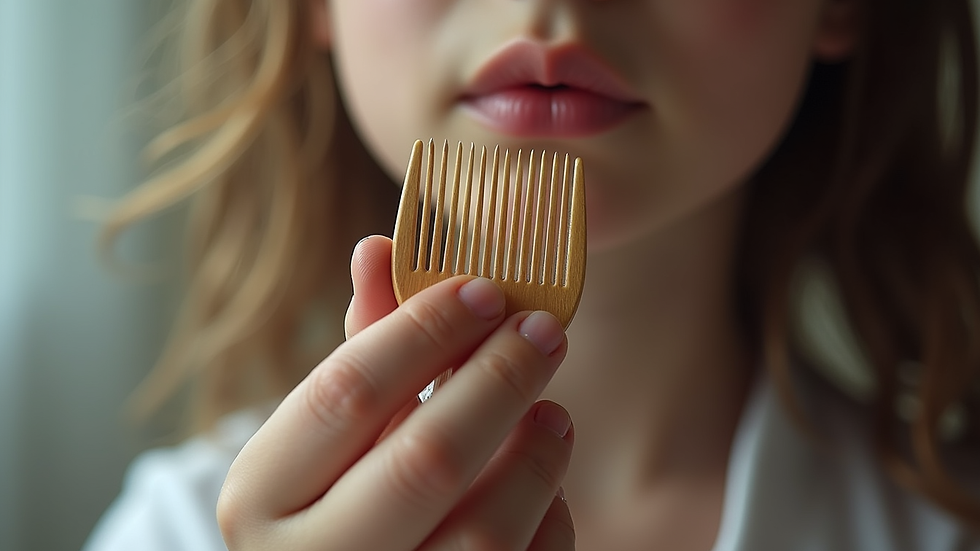
Regardless of the treatment chosen, manual removal of lice and nits is crucial. Use a fine-toothed comb to carefully comb through the hair, section by section. This will help ensure that all lice and nits are removed.
Quick Solutions for Immediate Relief
While waiting for treatments to take effect, there are quick solutions to alleviate discomfort:
Cold Compress: Applying a cold compress to the scalp can help reduce itching and irritation.
Anti-itch Creams: Over-the-counter anti-itch creams can provide temporary relief from itching.
Preventive Measures
Once you've successfully treated head lice, it's essential to take preventive measures to avoid future infestations. Here are some effective strategies:
Educate Your Family
Teach your family about head lice and how they spread. Encourage children to avoid head-to-head contact and not to share personal items.
Regular Checks
Conduct regular checks of your family's hair, especially after sleepovers or playdates. Early detection can help prevent a full-blown infestation.
Clean Your Home
Thoroughly clean your home to eliminate any lice or nits that may have fallen off during treatment. Wash bedding, hats, and clothing in hot water and vacuum carpets and furniture.
When to Seek Professional Help
If you find that over-the-counter treatments are not effective after multiple attempts, or if the infestation persists, it may be time to consult a healthcare professional. They can provide guidance on more potent treatments and help identify any underlying issues.
Conclusion
Dealing with head lice can be a challenging experience, but with the right knowledge and treatment options, you can effectively eliminate them. Remember to act quickly, use a combination of treatments, and take preventive measures to keep your family lice-free. By staying informed and proactive, you can tackle head lice infestations with confidence.
Takeaway
If you suspect a head lice infestation, don't wait. Start treatment immediately and follow up with preventive measures to protect your family. For more information and support, consider reaching out to healthcare professionals or local health departments.

Comments